
📺 Programming note: The newsletter will be taking a break until Tuesday morning. We’re doing some quality time in the last days of summer before school starts.
The 614cast
Today’s tl;dr
⛅ Partly cloudy and less humid, high in the mid-80s.

Forecast highlights
📈 Decent, then sorta steamy
The mugginess is lower the next couple of days, which means our highs in the middle to upper 80s will feel just like that.
Highs rise back to 90 or above this weekend and probably into Monday. It’ll also turn fairly humid again, so heat indices should peak a few degrees higher.
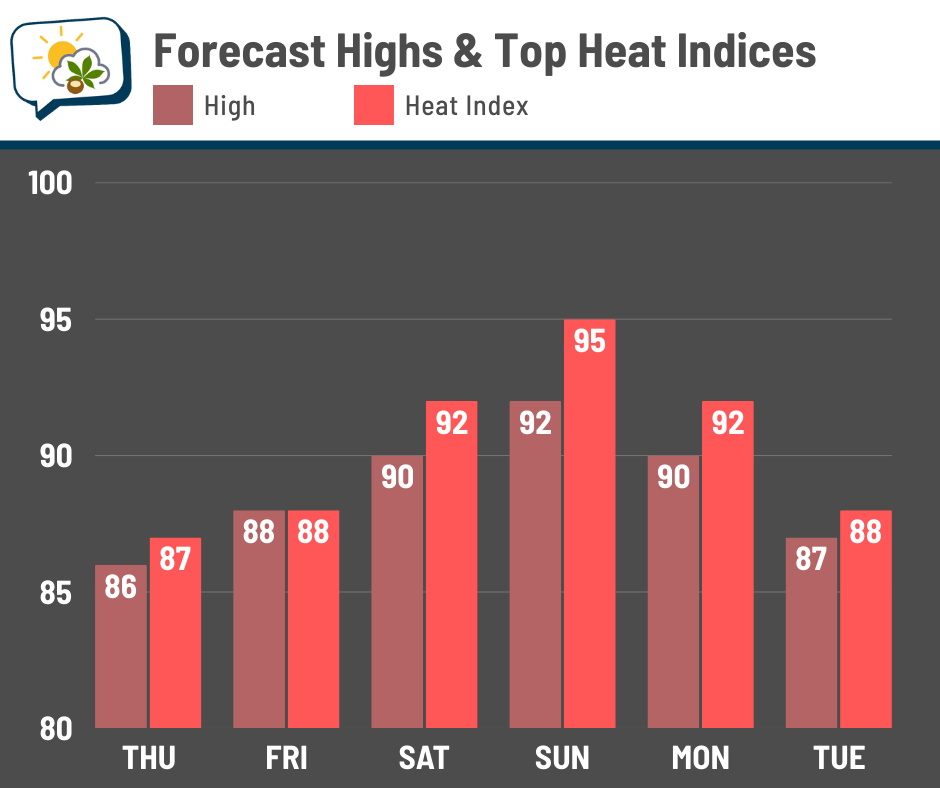
I wish I could say that there’ll be some breezes to take the edge off, but that isn’t in the cards. The first days of school (for a number of districts, anyway) will be pretty warm.
🌂 Going back to dry
Wellllll… if you didn’t get much rain in your neighborhood, you’ll be waiting again for another opportunity. Today’s odds are very small, and will be basically nil until next week.
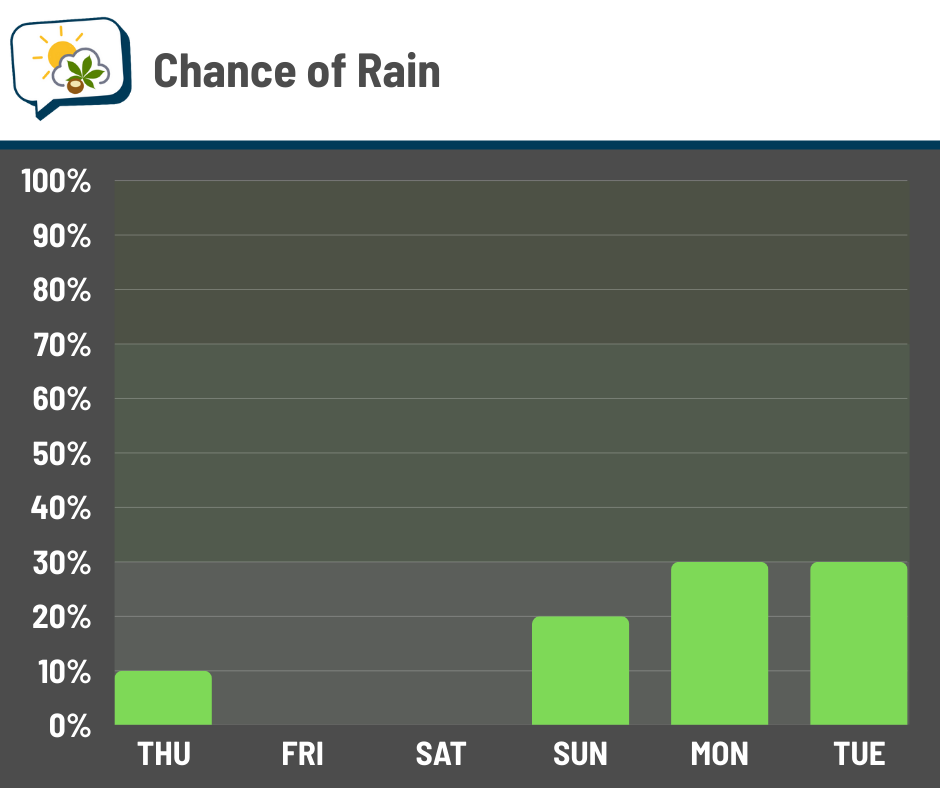
I’m cautiously optimistic the chances next week could come up… but I’m playing the low side of things for now.
📊 Today’s almanac
Normal low/high: 64 / 84
Record low/high: 45 (1964) / 96 (1959)
Sunrise/set: 6:43 a.m. / 8:29 p.m.
🌩️ The sound of thunder
Lightning is about 50,000 degrees — five times hotter than the surface of the sun! Even though a bolt lasts for a brief moment, it still heats up the air immediately around it.

You might recall that warm air expands. And because the air next to a lightning bolt warms very quickly, it expands very quickly, too. That, in turn, compresses the air next to it, creating a shock wave… which we know as thunder. That initial “explosive expansion” creates the crack of thunder, and the air continuing to vibrate creates the subsequent rumbles.
If there’s a layer of air near the ground that’s warmer than below (an “inversion”), the sound waves can be refracted. As the sound bounces around, it can be amplified and be louder and longer-lasting. These conditions are more common at night and especially the early morning.
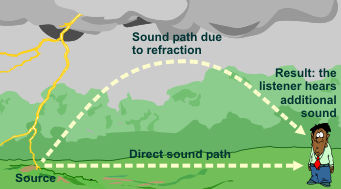
Sound travels faster in warm air than in cool air, but the speeds are close enough that you can still use a simple rule of thumb to know how far away lightning is. Count the number of seconds between lightning then thunder; every five seconds is one mile away.
Typically, the sound of thunder travels up to about 10 miles, according to the National Weather Service. But lightning can strike from farther than that, so hearing thunder is a definite sign you need to be inside. If you can see lightning or hear thunder, you’re in danger.
🌭 For the weather weenies
-
Comparison of forecast cone sizes from 2005 to 2025 (Brian McNoldy/Bluesky)